REACH (Reshaping Engagement, Advocacy, and Capacity-building for Youth in Sport for All) is an EU-funded project coordinated by TAFISA which aims to enhance youth engagement in Sport for All by empowering young people aged 18-30 to take on leadership, management and advocacy roles within the sector.
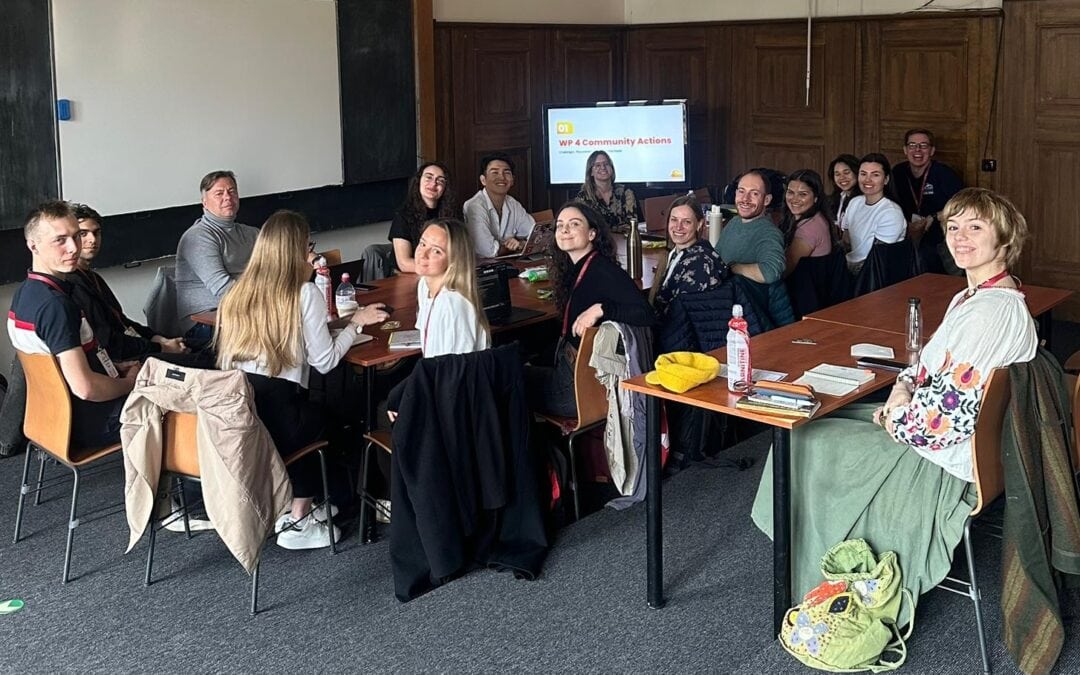
REACH project partners met in Prague, Czech Republic, on 13 May 2026, alongside members of the REACH Youth Task Force, as the project moves forward with new tools and resources to support youth engagement in Sport for All. EOSE was represented by Wojciech Waśniewski.
New tools and resources for youth engagement
The partner meeting followed the publication of new REACH tools and resources to support youth engagement, capacity building and innovation in the Sport for All movement. These outputs, led by the University of Limerick, are designed for practitioners and organisations working to strengthen youth involvement at different levels.
The recently published resources include:
- Youth Needs & Expectations Report, now available as an interactive tool, exploring what motivates young people to volunteer, what sustains their engagement, and what organisations can do to better support them
- Resources on strategies to engage young people in volunteering, offering evidence-based approaches and practical steps to create more inclusive and meaningful volunteering experiences
- Policy analysis on youth engagement in Sport for All organisations, reviewing existing approaches and identifying gaps in how organisations engage young people.
Together, these materials provide practical evidence and guidance for organisations seeking to improve how they attract, support and retain young people in Sport for All.
Youth Needs & Expectations Report now available as an interactive tool
A key recent output is the Youth Needs & Expectations Report, now available as an interactive tool.
Across Europe, Sport for All organisations face increasing challenges in attracting and retaining young volunteers. Changing expectations, competing demands on young people’s time, limited recognition and a lack of structured support can all affect engagement, particularly at grassroots level.
Developed through participatory workshops with 65 young volunteers across Europe, the report explores what motivates young people to volunteer, what sustains their involvement over time, and what organisations need to change in order to better support them.
The findings show that sustainable youth engagement depends on a stronger connection between individual development, community belonging and organisational practice.
Supporting the next stages of REACH
The Prague meeting also provided an opportunity for partners to discuss the next project outputs, including the upcoming Youth Mentorship Charter and Youth Engagement Charter.
The Youth Mentorship Charter will build on insights from the REACH mentorship programme for members of the Youth Task Force and provide a structured approach to mentoring young leaders in the Sport for All movement. It will offer practical guidance for organisations seeking to support long-term youth empowerment and leadership development.
The Youth Engagement Charter will set out principles and recommendations for engaging youth in Sport for All organisations.
Through these resources, REACH aims to help Sport for All organisations move from general commitments to youth engagement towards more structured, evidence-informed approaches that respond to young people’s needs and expectations.
